
 BR
BR DE
DE ES
ES FR
FR RU
RU
Articles
Fake and Scam Websites: How to Spot Them and Stay Safe Online

Guru VPN experts
20.01.2026
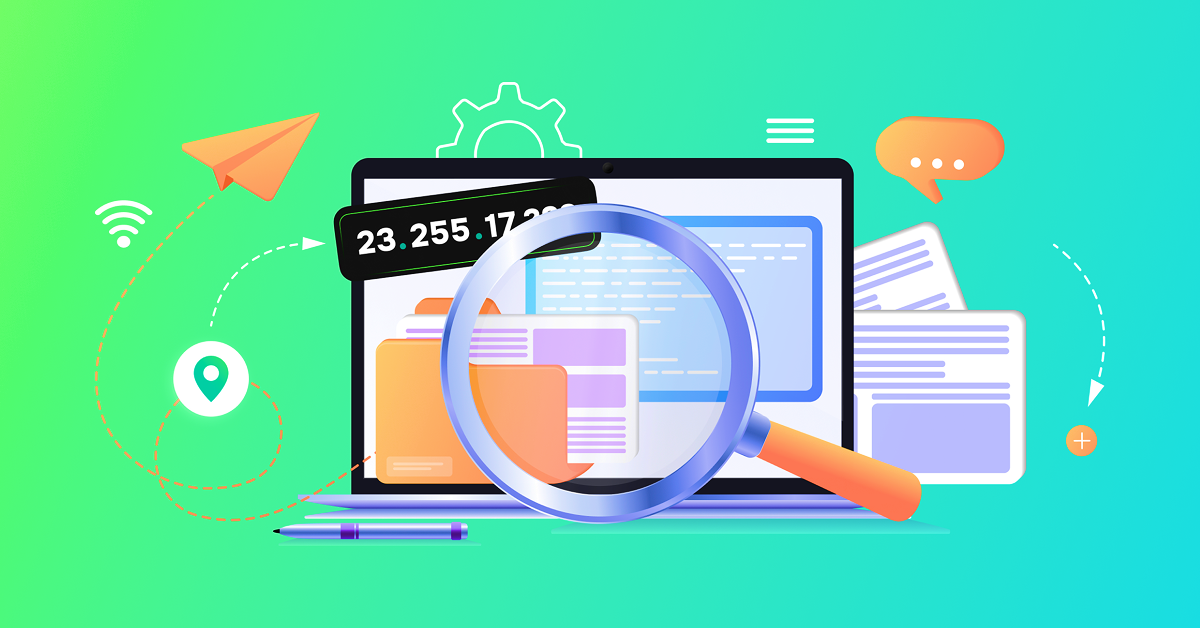
An IP address is a unique numerical identifier assigned to every device connected to the internet. It allows data to be sent to the right destination - whether you’re loading a website, joining an online game, or sending an email. Without IP addresses, modern internet communication simply wouldn’t work.
Because IP addresses play such a central role in online connections, many people become curious about how IP lookup works and whether it’s possible to find someone else’s IP address. This interest is often driven by legitimate and practical reasons, not malicious intent.
Let's talk about what you can do with an IP lookup:
Now, let's be clear. This guide is not about doing anything harmful. We're not teaching you how to hack, stalk, harass, or spy on people. Trying to get someone's IP address to cause trouble is just plain wrong, and it could even get you in legal issues.
Instead, we want to explain how IP lookups work in simple terms. We'll cover what kind of information an IP address can reveal and what it can't. You'll see that finding someone's IP address doesn't tell you as much as you might think. Knowing this can help you make better choices about your own privacy online and understand the need to keep your IP address safe.
By the time you finish reading, you'll understand what IP lookup really involves. You'll also learn why services like VPN Guru exist, which assist you to hide your real IP address. These types of services are important since they can keep your online activity private and secure.
The short answer is: sometimes, but far less often than people think.
Despite what many online tutorials or forums claim, there is no simple or universal way to find someone’s IP address just by knowing their name, username, or social media profile. In most everyday online interactions, IP addresses are deliberately hidden to protect user privacy.
In reality, an IP address usually becomes visible only during direct technical interaction between two systems - and even then, there are important limitations.
You may encounter someone’s IP address in situations such as:
In these cases, IP visibility exists for functional reasons - routing traffic, maintaining connections, or ensuring security - not for personal identification.
Modern internet services are designed to prevent IP exposure. Most platforms route traffic through:
As a result, users rarely see each other’s real IP addresses, even when messaging, commenting, or interacting online.
There are several persistent misconceptions worth clearing up:
Many “IP grabber” claims rely on misleading tactics or outdated networking models that no longer apply to most modern platforms.
Even in situations where an IP address could technically be logged, it often doesn’t reflect a person’s real location or identity. VPNs, proxies, and mobile carrier networks frequently assign:
This makes IP-based identification increasingly unreliable - and highlights why IP lookup is more about technical context than personal data.
Understanding these limitations is essential. It helps set realistic expectations and reinforces an important takeaway: IP addresses are networking tools, not personal identifiers.
Before discussing specific methods or tools, it’s important to understand the legal and ethical boundaries around IP address lookup. While an IP address is not the same as a person’s name or home address, it is still considered personal or sensitive data in many jurisdictions.
In general, viewing or processing an IP address is legal only when you are authorized to do so. Common lawful scenarios include:
In these cases, IP addresses are collected as part of normal technical operations, such as traffic routing, logging, and security monitoring.
However, attempting to obtain someone’s IP address without consent, especially through deception, tracking links, or manipulation, may violate:
Even when something is technically possible, it isn’t always ethical. IP lookup should never be used for:
Responsible use focuses on security, safety, and learning, not control over other users.
Many privacy frameworks treat IP addresses as protected data:
Because of this, organizations are expected to handle IP data carefully, store it securely, and limit its use to legitimate purposes.
There are only a few situations where someone’s IP address may be visible - and they all involve direct technical interaction or proper authorization. Below are the most common and legitimate scenarios where IP addresses can appear, along with important limitations to keep in mind.
In some cases, IP addresses can be found in email headers, which contain technical routing information used to deliver messages.
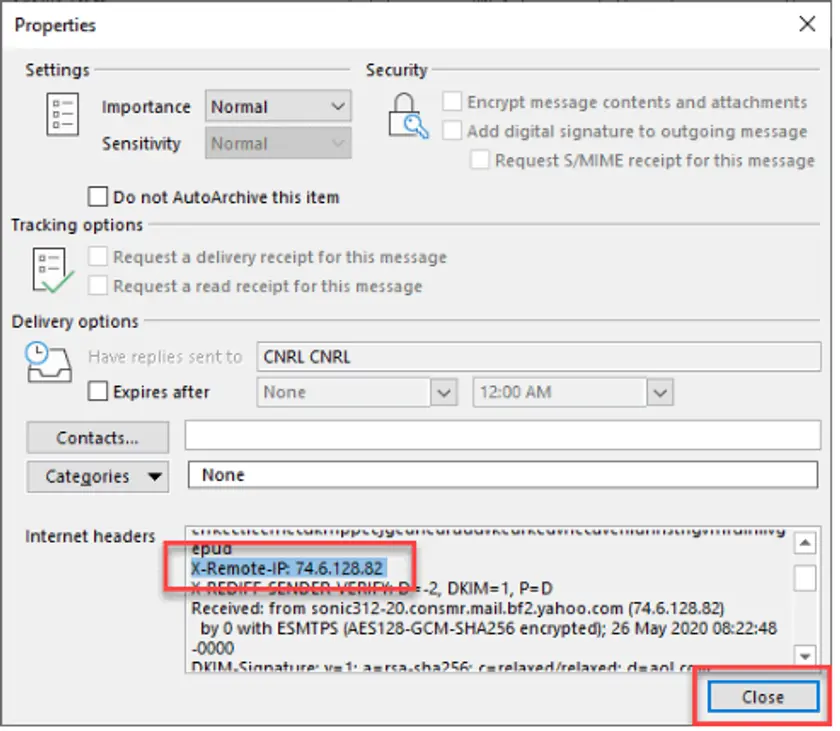
Source: MailXaminer
Important! Accessing email headers only shows routing data - not someone’s identity or exact location.
If you operate a website, blog, or online service, you can typically see the IP addresses of visitors in:
This is a standard part of website operation and is used for:
In this case, IP collection is legitimate because visitors are interacting with your infrastructure.
Some multiplayer games and P2P-based platforms allow devices to communicate directly. In these scenarios:
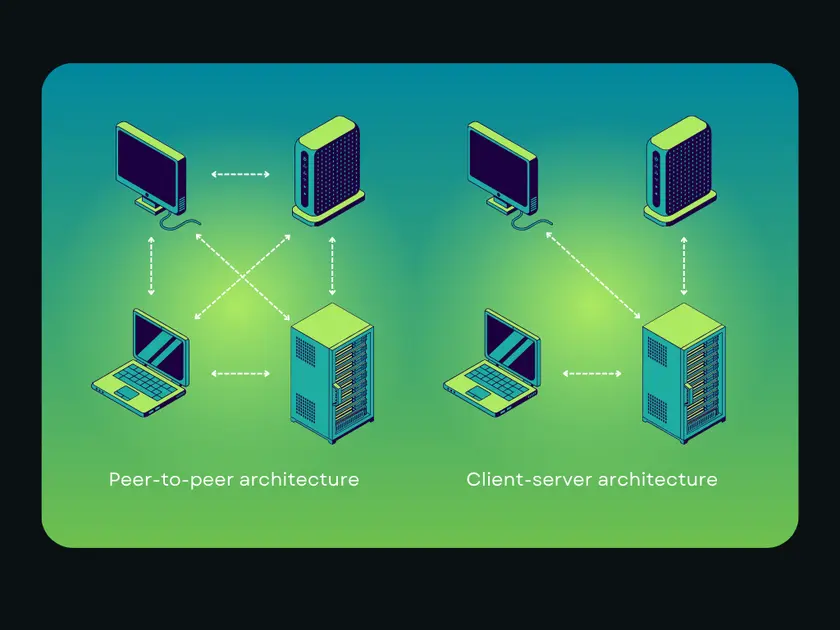
Because of security risks, many games now intentionally prevent players from seeing each other’s IP addresses.
If you manage a local or corporate network, IP visibility is essential for:
Network administrators may view IP addresses only within networks they are responsible for. Using such tools outside authorized environments is not appropriate or lawful.
You may encounter tools claiming to “reveal anyone’s IP instantly.” In reality:
These methods are unreliable, ethically questionable, and increasingly ineffective as privacy protections improve.
IP addresses don’t magically appear. They are visible only when a technical connection requires it - and even then, the information is limited. In most everyday online interactions, IPs are deliberately hidden to protect user privacy.
Understanding where IP visibility comes from helps explain why protecting your own IP address is far more important than trying to uncover someone else’s.
IP lookup tools are often misunderstood. Many people assume that entering an IP address will instantly reveal a person’s identity, exact location, or personal details. In reality, IP lookup services provide limited technical and geographic information, not private data.
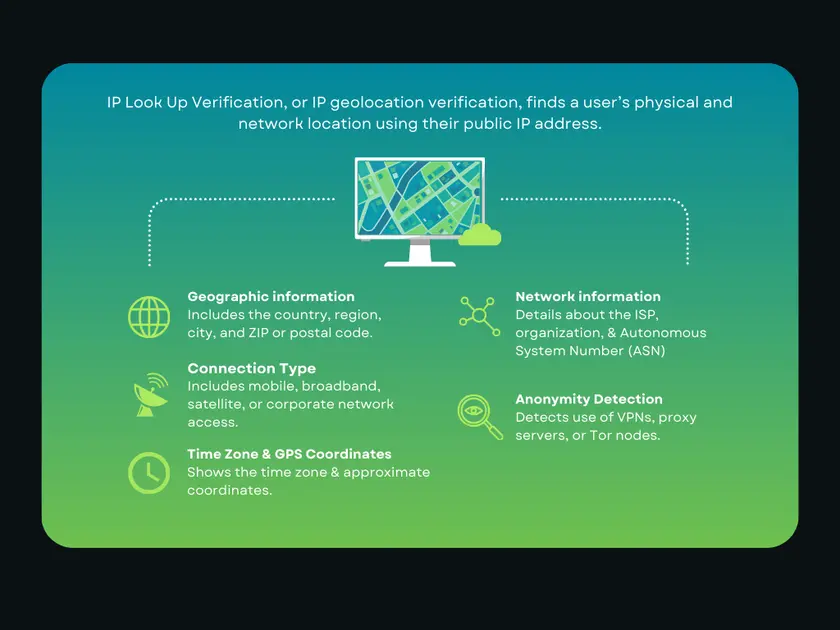
When you run an IP lookup, the tool checks the IP address against large public and commercial databases that map:
This information is collected from:
The result is an approximate profile of the network, not of the individual using it.
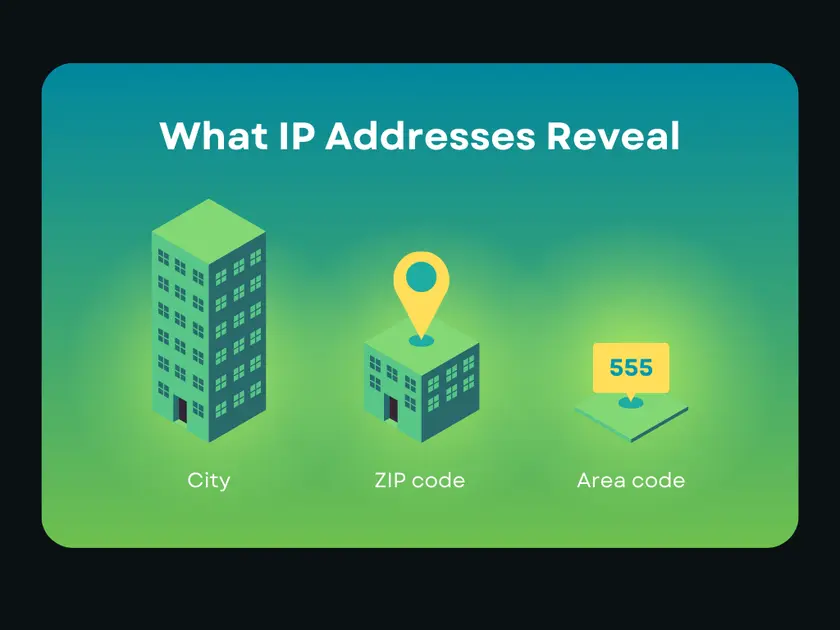
Most IP lookup tools can show:
This data is commonly used for:
An IP address does not provide:
Any service claiming otherwise is misleading or unsafe.
IP-based geolocation is inherently imprecise because:
This is why two people in the same city - or even the same building - may appear in completely different locations when using IP lookup tools.
At its core, IP lookup helps answer technical questions such as:
It is not a method for tracking individuals.
Understanding how IP lookup works makes it clear why IP addresses should be treated carefully - and why hiding your own IP can significantly improve your online privacy.
Understanding how IP lookup works naturally leads to an important question: how can you protect your own IP address? Since an IP address plays a key role in routing traffic and identifying network connections, exposing it unnecessarily can create privacy and security risks.
One of the most effective ways to reduce IP exposure is to be mindful of how and where you connect to the internet. Public Wi-Fi networks, peer-to-peer platforms, and unsecured home routers often make IP addresses easier to log or misuse. Keeping your devices updated, using secure router settings, and avoiding unknown networks can already make a noticeable difference.
That said, basic precautions are often not enough. Your IP address is still visible to websites, internet service providers, and anyone operating the network you’re connected to. This is where a VPN becomes essential.
A VPN works by routing your internet traffic through a secure server, replacing your real IP address with a different one. Instead of exposing your actual network location, websites and online services only see the VPN server’s IP. At the same time, your traffic is encrypted, making it far more difficult to monitor, profile, or intercept.
VPN Guru is designed specifically for this purpose - protecting your IP address without complicating your online experience. By masking your real IP, VPN Guru helps prevent tracking, reduces the risk of IP-based attacks, and allows you to browse with greater privacy across all your devices. Whether you’re using public Wi-Fi, working remotely, gaming, or simply browsing the web, your real network identity stays hidden.
Another key benefit of using a VPN is consistency. Instead of worrying about when your IP might be exposed, VPN Guru ensures your connection remains protected by default. Combined with secure infrastructure and privacy-focused policies, this creates a safer baseline for everyday internet use.
Ultimately, learning about IP lookup isn’t about finding other people’s IP addresses - it’s about understanding why your own IP matters. Once you see how easily IPs can be logged, categorized, and analyzed, protecting yours becomes a logical step rather than an optional extra.
IP lookup is often surrounded by myths and exaggerated claims. In reality, an IP address is a technical identifier designed to keep the internet functioning - not a shortcut to someone’s identity or personal life. Understanding what an IP address can and cannot reveal helps set realistic expectations and reduces unnecessary fear or curiosity around “finding” other people online.
As this guide has shown, discovering someone else’s IP address is limited to specific, authorized scenarios. At the same time, IP addresses are routinely logged, categorized, and analyzed across the internet. Even when no harm is intended, this data can be used to track behavior, restrict access, or build detailed usage profiles over time.
That’s why the most practical takeaway isn’t how to look up someone else’s IP - but how to protect your own. Once you understand how IP lookup works, it becomes clear why keeping your real IP private is an essential part of online safety.
Using a VPN creates a strong first layer of protection. By masking your real IP address and encrypting your traffic, tools like VPN Guru help you browse, work, and connect online without exposing your network identity. It’s a simple step that significantly improves privacy across everyday activities - from public Wi-Fi to home networks.
Knowing how IP lookup works puts you in control. Protecting your IP ensures that control stays where it belongs - with you.
Stay private. Stay secure. Protect your IP with VPN Guru.